
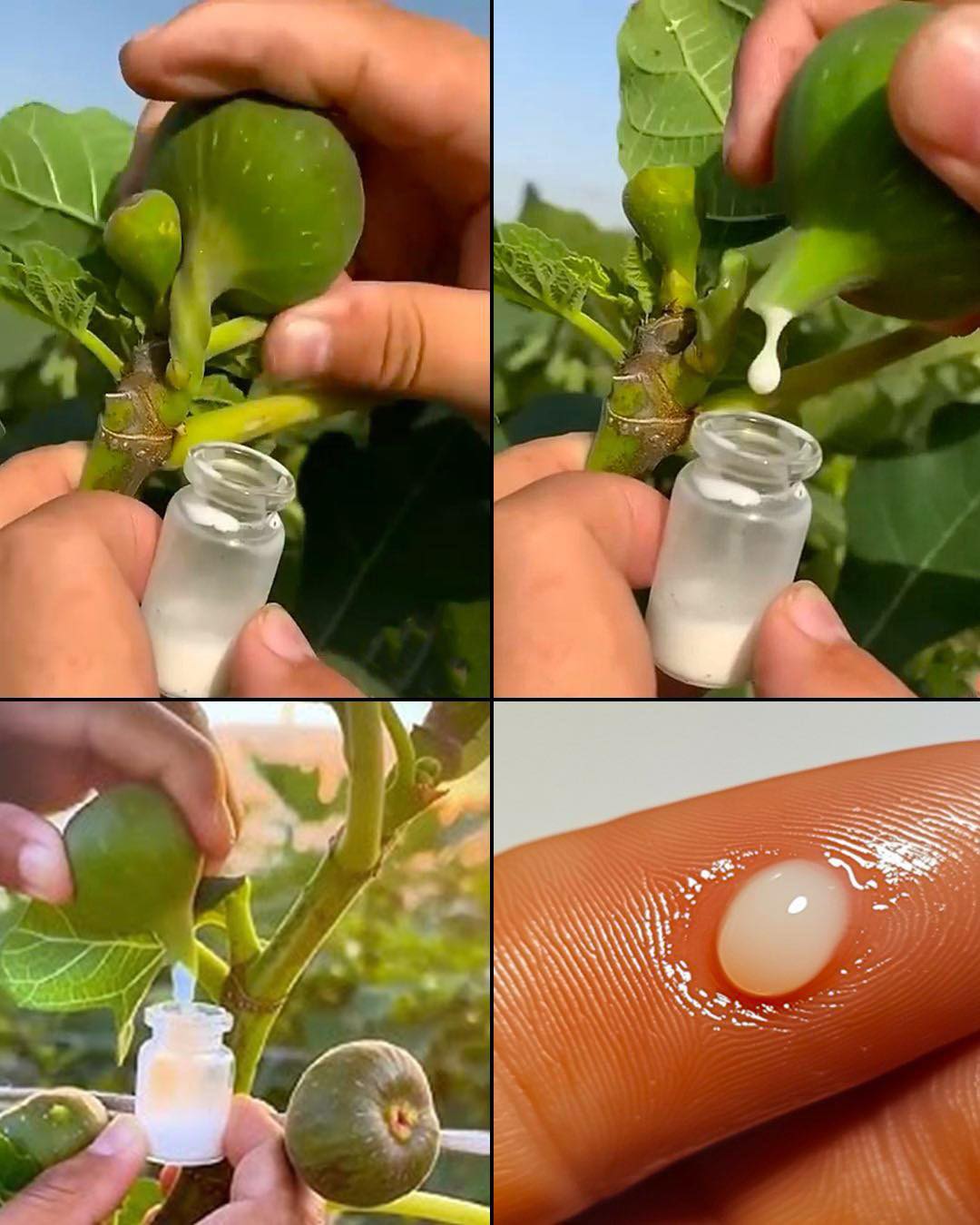
Fig sap, often referred to as “fig milk,” is a milky latex produced by fig trees (Ficus carica). Known for its medicinal and practical applications, fig sap has been used for centuries in traditional remedies and other household practices. This article dives into how to collect fig sap, its most popular uses, how to store it, and a disclaimer to ensure safe usage.
How to Collect Fig Sap
Choose the Right Tree and Time
Select a healthy, mature fig tree. The best time to collect sap is during the growing season, from late spring to early autumn, when the tree produces sap abundantly.
Gather Necessary Tools
Protective gloves and eyewear
A sharp knife or pruning shears
A clean glass jar or container
Make a Small Incision
Use the knife or shears to make a shallow cut on a branch or the trunk. Be gentle to avoid stressing the tree. The sap will begin to ooze immediately.
Collect the Sap
Place the container under the incision to catch the dripping sap. Allow it to collect for a few minutes.
Protect the Tree
After collection, seal the cut with natural tree sealant or mud to prevent infections and help the tree heal.
10 Best Uses of Fig Sap
Wart Removal
Fig sap is a traditional remedy for warts. Apply a small amount directly to the wart daily until it disappears.
Ringworm Treatment
Its antifungal properties make fig sap effective against fungal infections like ringworm.
Digestive Aid
In traditional medicine, diluted fig sap is consumed to ease digestion and relieve constipation.
The rest of the recipe continues on the next page
Continued on the next page
ADVERTISEMENT
ADVERTISEMENT
