
Pest Deterrent in Gardening
Fig sap can repel certain insects, protecting plants naturally.
Cheese Coagulant
When processed correctly, fig sap can be used as a natural coagulant in cheese-making.
Sealant for Plant Wounds
Use the sap to seal cuts or wounds on other plants, protecting them from infections.
Antioxidant Boost
Consuming small, diluted amounts of fig sap may strengthen the immune system due to its antioxidant content.
Topical Skin Care
Diluted sap can soothe minor skin irritations, but always test for sensitivity first.
Organic Fertilizer
Add fig sap to compost or dilute it with water to create a nutrient-rich solution for your garden.
Pest Repellent
Fig sap latex acts as a natural pesticide, keeping certain pests at bay.
How to Store Fig Sap
For Immediate Use
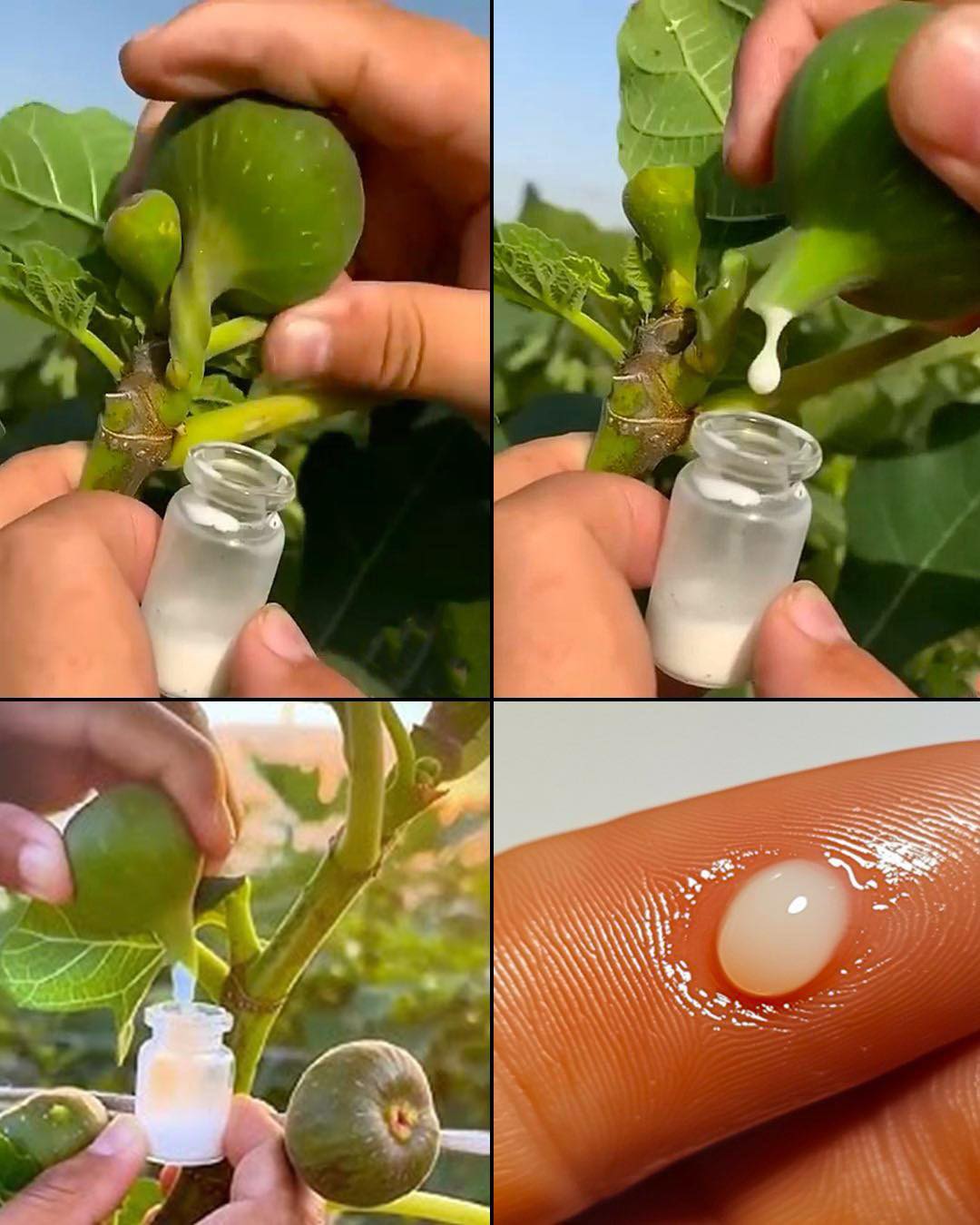
Fresh fig sap is most effective. Use it within a few hours after collection.
Short-Term Storage
Place the sap in an airtight glass jar and refrigerate it. It will last for about 5–7 days.
Avoid Freezing
Freezing fig sap can alter its properties and reduce its effectiveness. Always store it in its natural state.
Disclaimer
Allergy Warning: Fig sap contains latex, which can cause skin irritation or allergic reactions. Always perform a patch test before applying it to the skin.
Consult a Professional: If you plan to use fig sap for health purposes, consult a healthcare provider to ensure it’s safe and suitable for your needs.
Proper Handling: Always wear gloves and avoid contact with eyes and mucous membranes, as the sap can be irritating.
Fig sap is a fascinating natural substance with countless benefits. By learning how to collect, use, and store it safely, you can incorporate this traditional remedy into your daily life while respecting the fig tree’s health and longevity.
ADVERTISEMENT
