
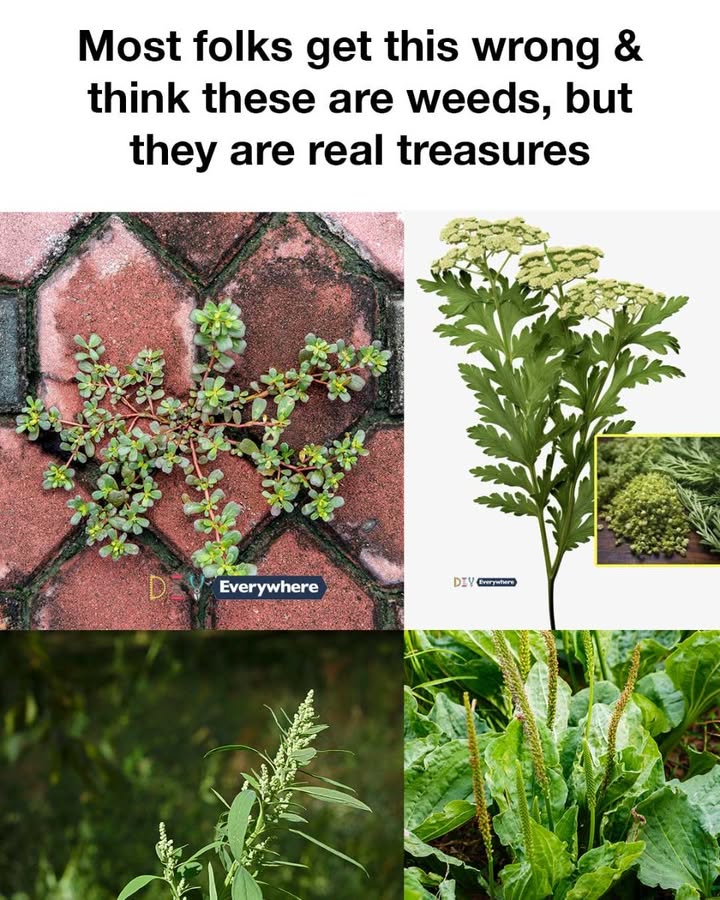
Most folks get this wrong & think these are weeds, but they are real treasures.
Lamb’s quarters (Chenopodium album) is a nutritious plant often compared to spinach. It is high in vitamins A, C, and K, as well as minerals like calcium and iron. The leaves can be eaten raw or cooked, making them a versatile addition to meals.
10. Violet: The Gentle Anti-Inflammatory
Violets (Viola spp.) are not only beautiful but also possess anti-inflammatory properties. They can be used to soothe sore throats, reduce fever, and treat skin conditions. Violet leaves and flowers can be made into teas or used in salves for topical application.
How to Identify These Medicinal Plants in the Wild
Identifying medicinal plants requires careful observation and knowledge of their characteristics. Look for distinctive features such as leaf shape, flower color, and growth habits. Field guides and mobile apps can be helpful tools for beginners. It’s important to ensure correct identification before using any plant for medicinal purposes.
The Benefits of Incorporating Medicinal Plants into Your Life
Incorporating medicinal plants into your daily routine can enhance your health and well-being. They offer natural alternatives to pharmaceuticals, often with fewer side effects. Additionally, growing and harvesting your own medicinal plants can be a rewarding and sustainable practice that reduces your carbon footprint.
