
Container gardening is an innovative and versatile approach to growing plants, particularly beneficial for those with limited space. Whether you live in an apartment, have a small balcony, or simply want to add greenery to your indoor space, container gardening allows you to cultivate a wide variety of plants without the need for a traditional garden. This method involves growing plants in pots or containers, which can be placed on patios, balconies, or even indoors. Container gardening is not only space-efficient but also allows for greater control over soil conditions, watering, and sunlight exposure, making it an ideal choice for urban dwellers and gardening enthusiasts alike.
Benefits of Growing Plants in Containers
Growing plants in containers offers numerous benefits, making it an attractive option for many gardeners. One of the primary advantages is the ability to control the growing environment. With container gardening, you can easily adjust the soil type, pH levels, and moisture content to suit the specific needs of your plants. Additionally, containers can be moved to optimize sunlight exposure or protect plants from harsh weather conditions. This flexibility is particularly useful for growing delicate or seasonal plants. Container gardening also reduces the risk of soil-borne diseases and pests, as plants are isolated from the ground. Furthermore, it allows for creative expression, as containers come in various shapes, sizes, and materials, enabling gardeners to design aesthetically pleasing arrangements.
Advertisement
Choosing the Right Container for Your Plants
Selecting the appropriate container is crucial for the success of your container garden. When choosing a container, consider factors such as size, material, and drainage. The size of the container should correspond to the plant’s root system and growth potential. For instance, small herbs may thrive in compact pots, while larger vegetables require more substantial containers. The material of the container, whether plastic, ceramic, or terracotta, affects water retention and temperature regulation. Ensure that the container has adequate drainage holes to prevent waterlogging, which can lead to root rot. Additionally, consider the aesthetic appeal and weight of the container, especially if you plan to move it frequently.
Understanding Container Sizes and Their Uses
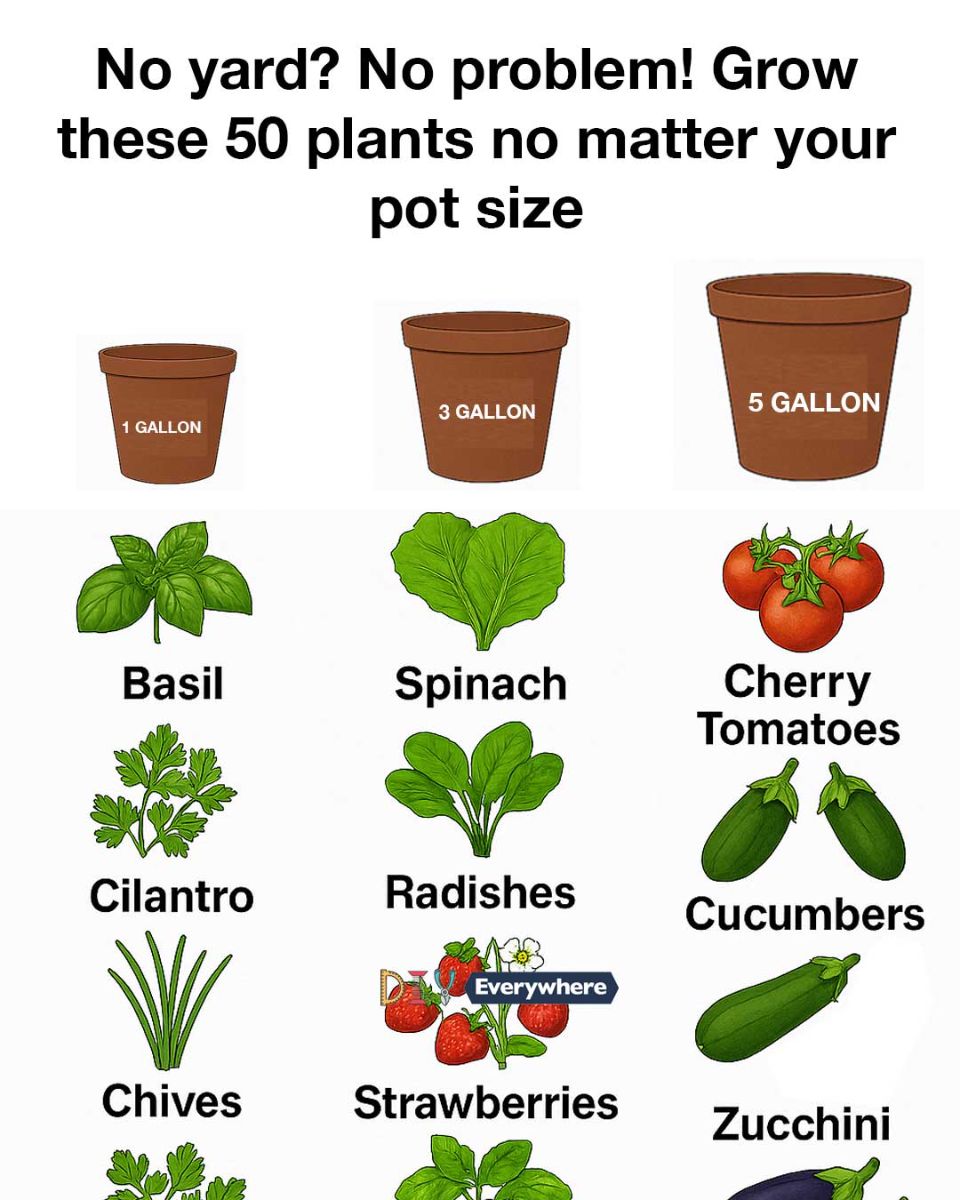
Container sizes play a significant role in determining which plants can be successfully grown. Smaller containers, such as 1-gallon buckets, are suitable for herbs and compact plants, while larger containers, like 15-gallon buckets, can accommodate fruit trees and large vegetables. Understanding the relationship between container size and plant growth is essential for ensuring that plants have enough space to develop healthy root systems. Overcrowding can lead to stunted growth and reduced yields, so it’s important to match the container size with the plant’s mature size and root depth requirements.
Top 10 Plants to Grow in 1-Gallon Buckets
1-gallon buckets are best for herbs and very compact plants due to their limited root space. These are perfect for windowsills, balconies, or small patios. Ensure proper drainage holes and use lightweight, well-draining potting mix.
Best Choices:
Basil – Loves warmth and sunlight; pinch back regularly to encourage bushiness and prevent flowering.
Basil – Loves warmth and sunlight; pinch back regularly to encourage bushiness and prevent flowering.
Cilantro – Prefers cooler temps; harvest leaves often to prevent it from bolting early.
Parsley – Slow to germinate but thrives in shallow containers; great for continuous harvest.
Chives – Hardy perennial herb; cut back leaves frequently to promote new growth.
Mint – Very invasive in-ground; containers keep it under control. Needs partial sunlight.
Thyme – Drought-tolerant once established; avoid overwatering.
Oregano – Similar to thyme; thrives in drier soil and full sun.
Dill – Can grow tall but shallow roots make it suitable; support may be needed as it matures.
Marjoram – Prefers dry, warm conditions; often used in Mediterranean cooking.
Sage – Needs plenty of sun and well-drained soil; prune back to keep tidy.
🛠 Tip: Add a thin layer of gravel at the bottom of your bucket to boost drainage.
Top 10 Plants to Grow in 3-Gallon Buckets
3-gallon buckets offer more root space, ideal for shallow-rooted vegetables and small fruiting plants. These are manageable in size but offer a bit more productivity.
Best Choices:
ADVERTISEMENT
